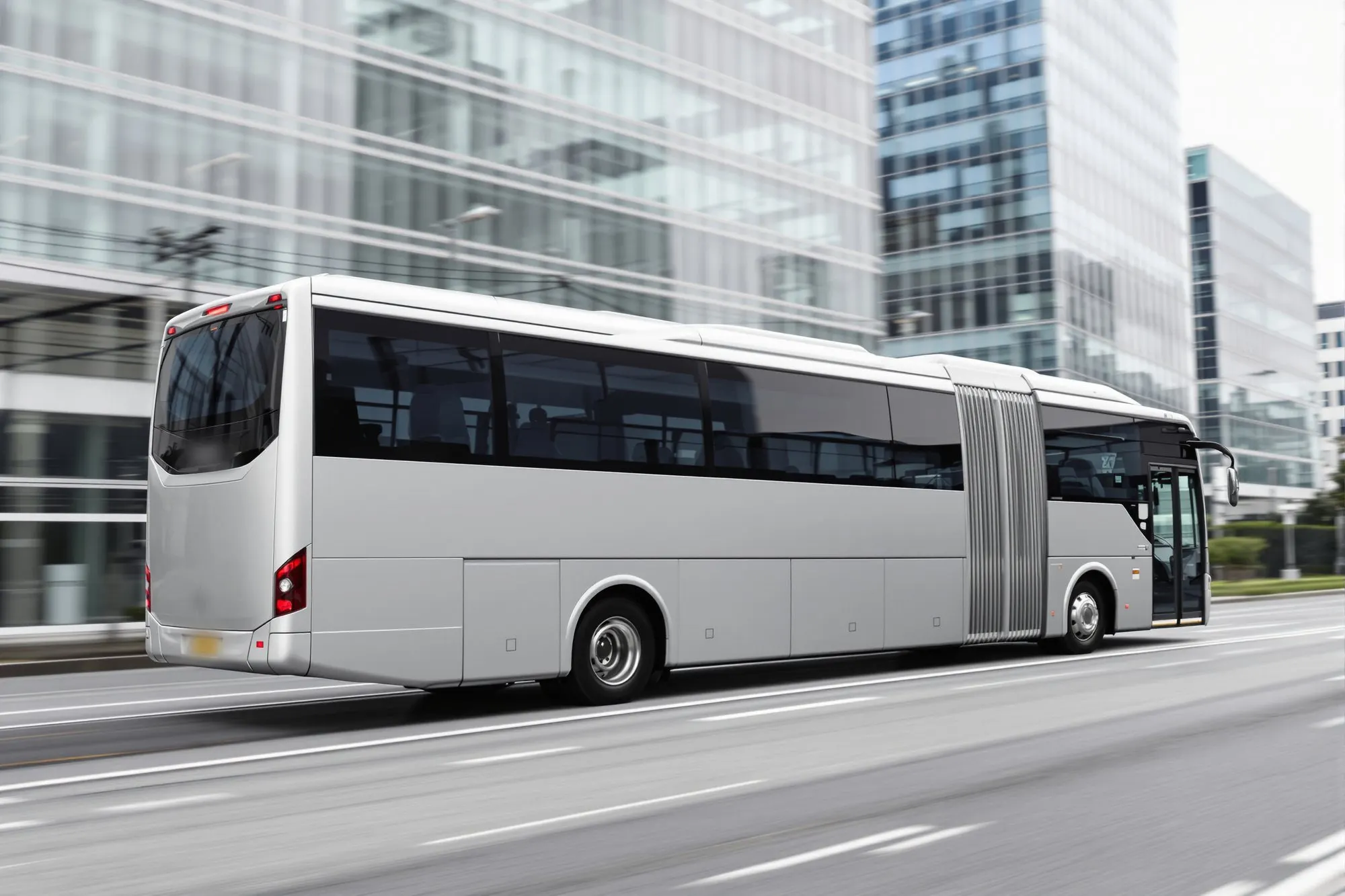
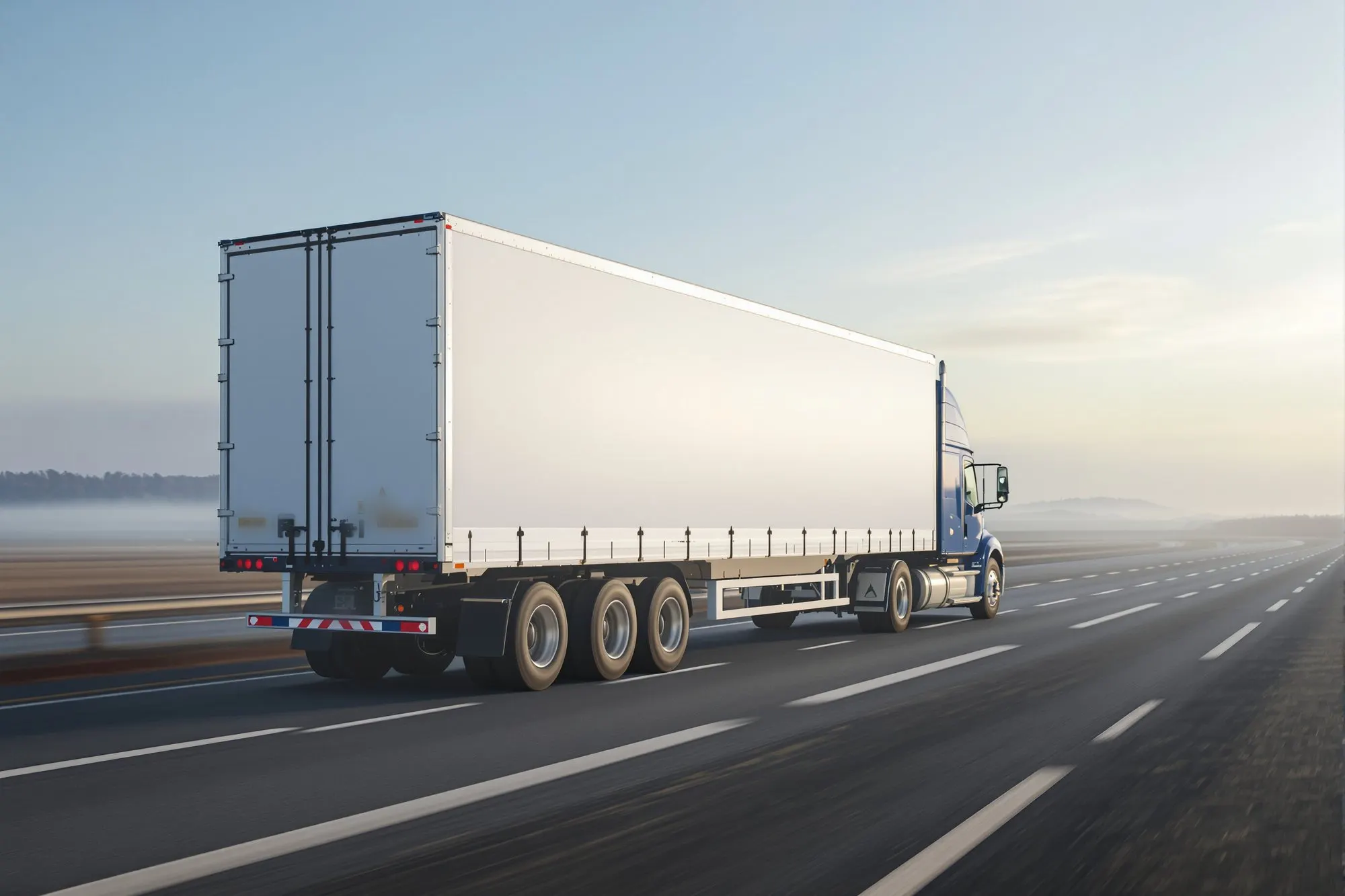
In trucks and tractor units the wiring splits between cab and chassis. The cab side carries the instrument panel, heating and cooling, seat and mirror controls; the chassis side carries headlamp groups, indicator and stop lamps, the trailer socket, fuel and air systems. The crossing points between the two are where the harness is stressed most.
What the road does to the harness
Chassis runs are under constant vibration; suspension travel stretches and bends the harness. Mud, road salt, oil and fuel contact are routine. The line to the trailer socket is both mobile and the most exposed part of the vehicle, so sealing and mechanical protection come first there.
- Constant vibration and tension on chassis runs
- Mud, salt, oil and fuel contact
- Repeated movement at the cab-to-chassis crossing
- Direct exposure at the trailer socket
- High temperature close to the engine bay
How we build the harness
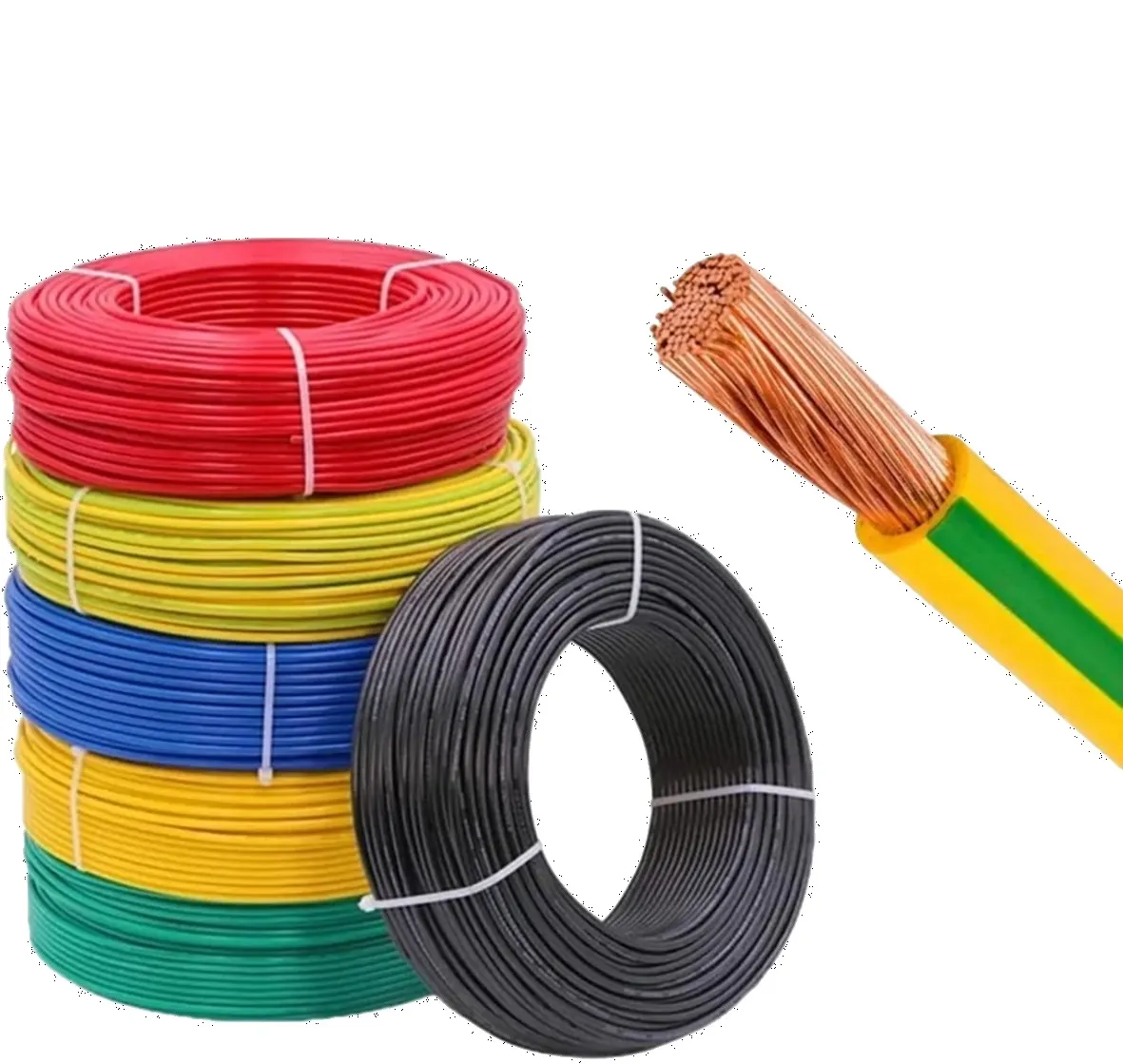
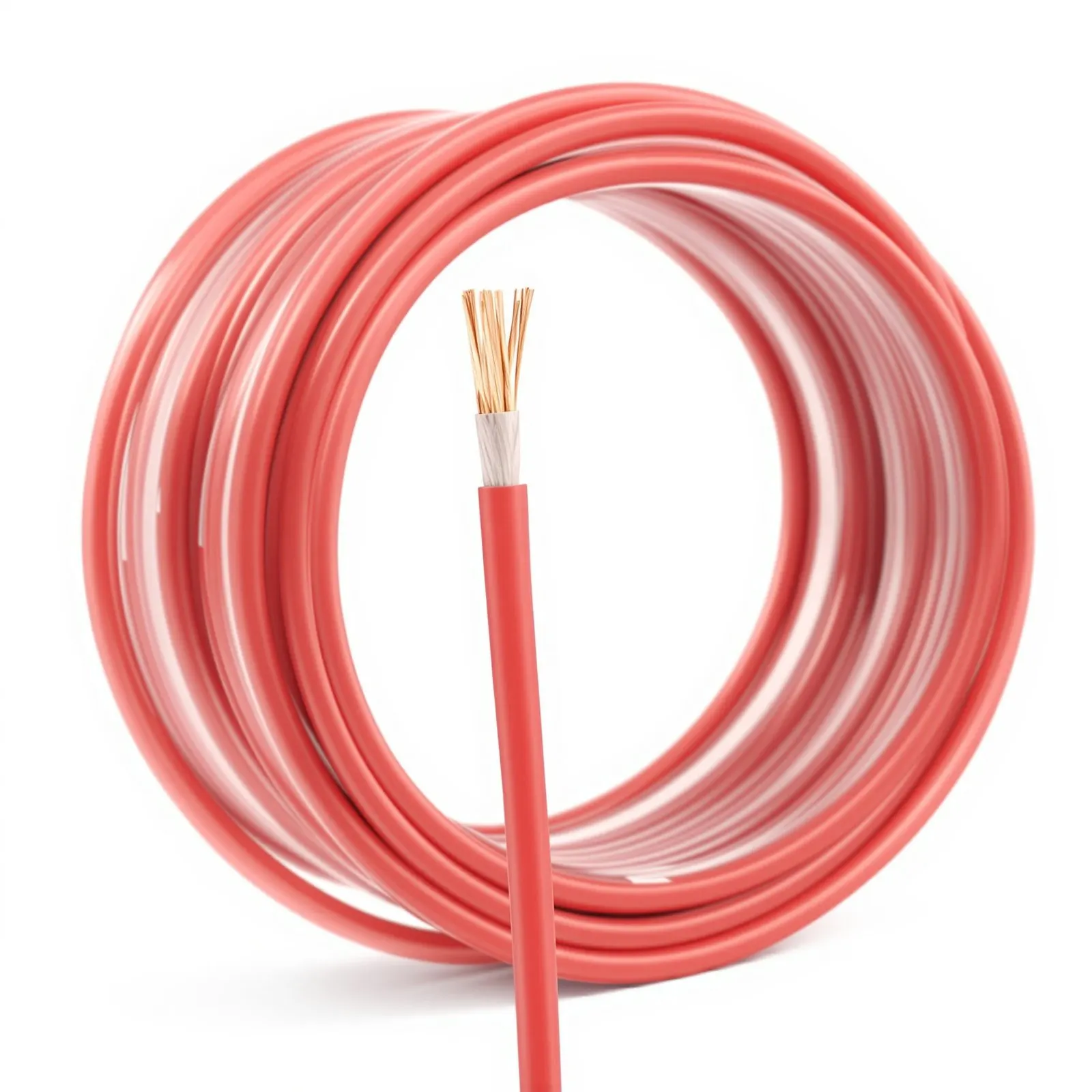
On chassis runs we prefer thicker-walled cable and mechanical protection; inside the cab we use flexible, thin-wall cable that fits narrow ducts. Cross-sections are chosen from the run length and the load on it together.
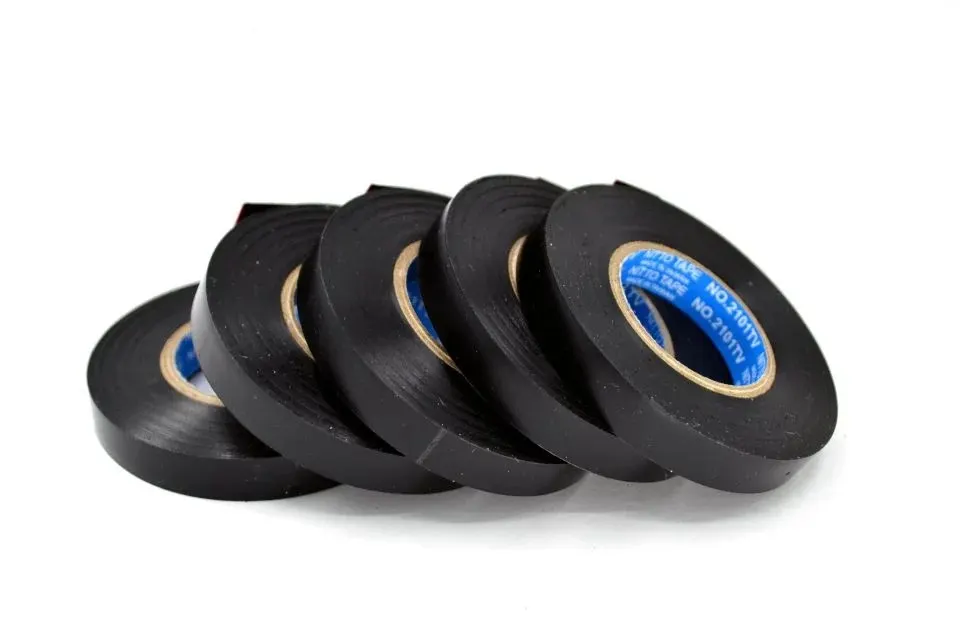
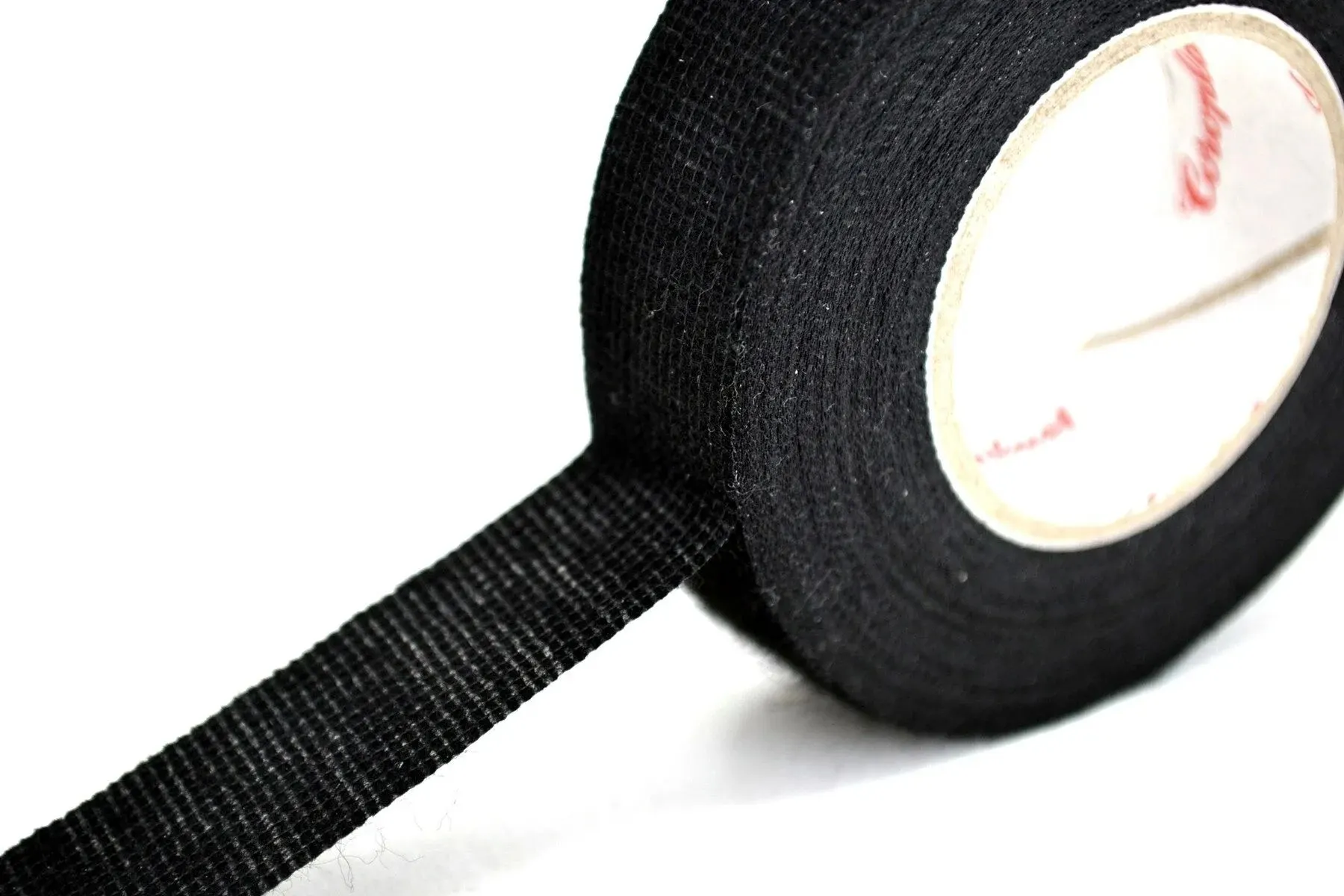
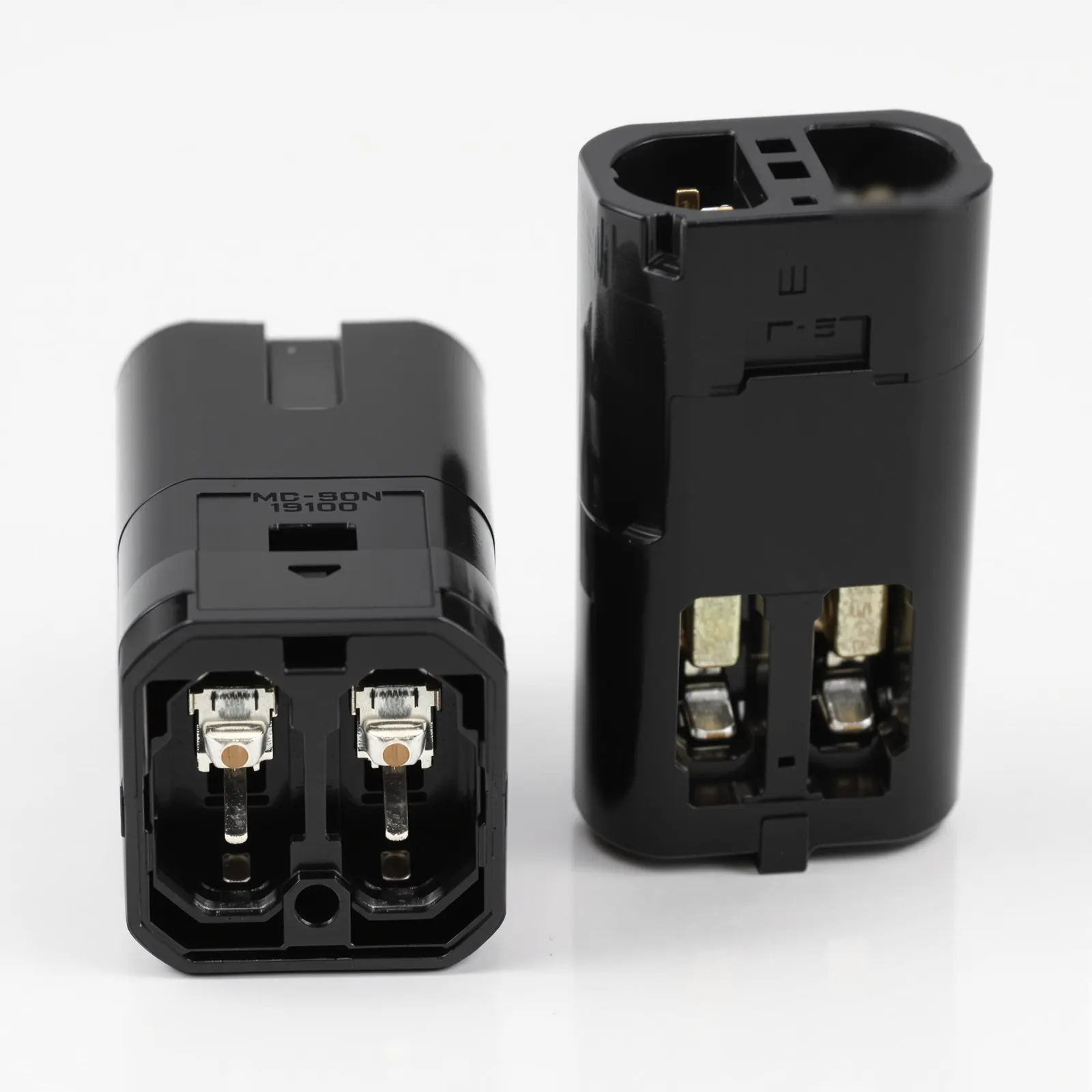
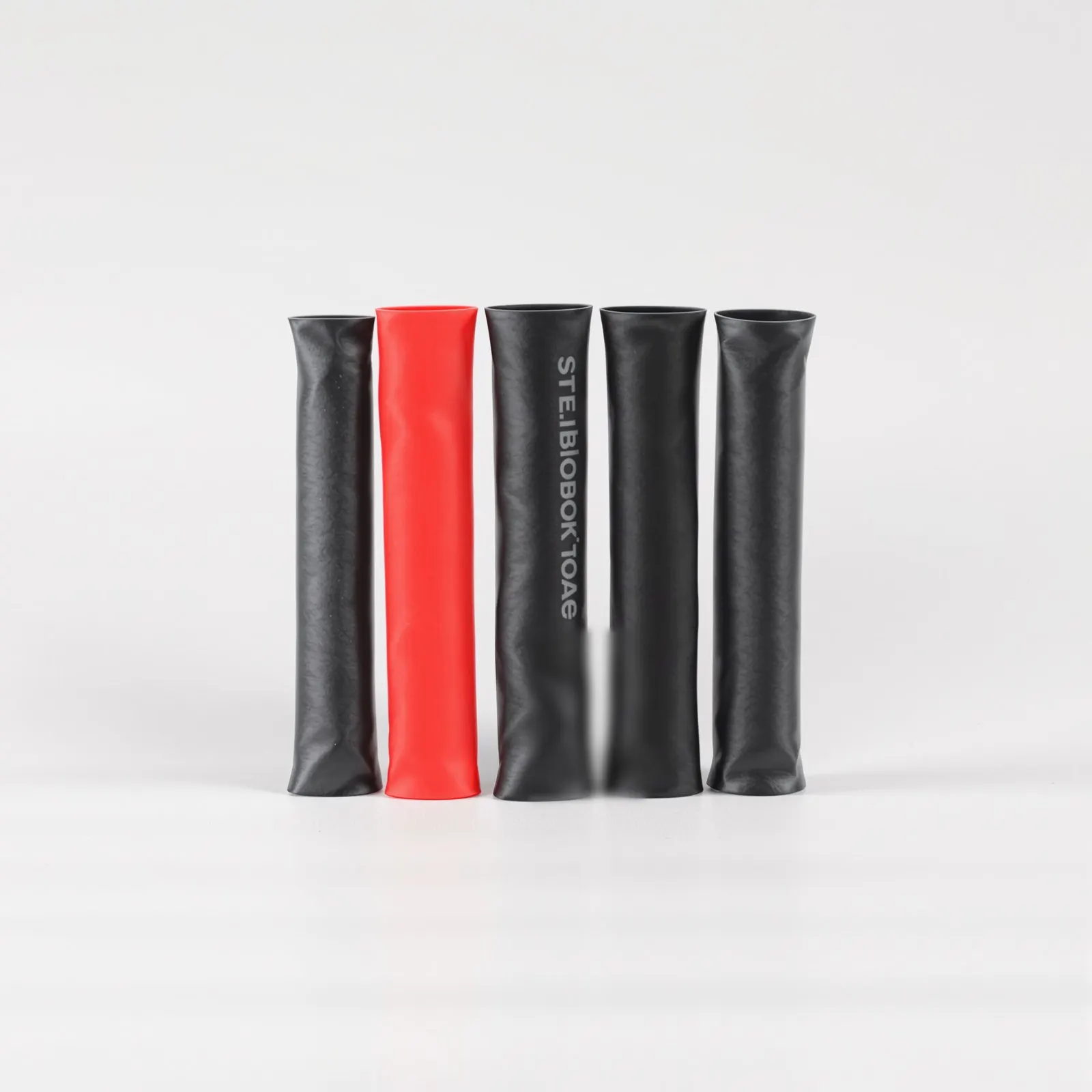
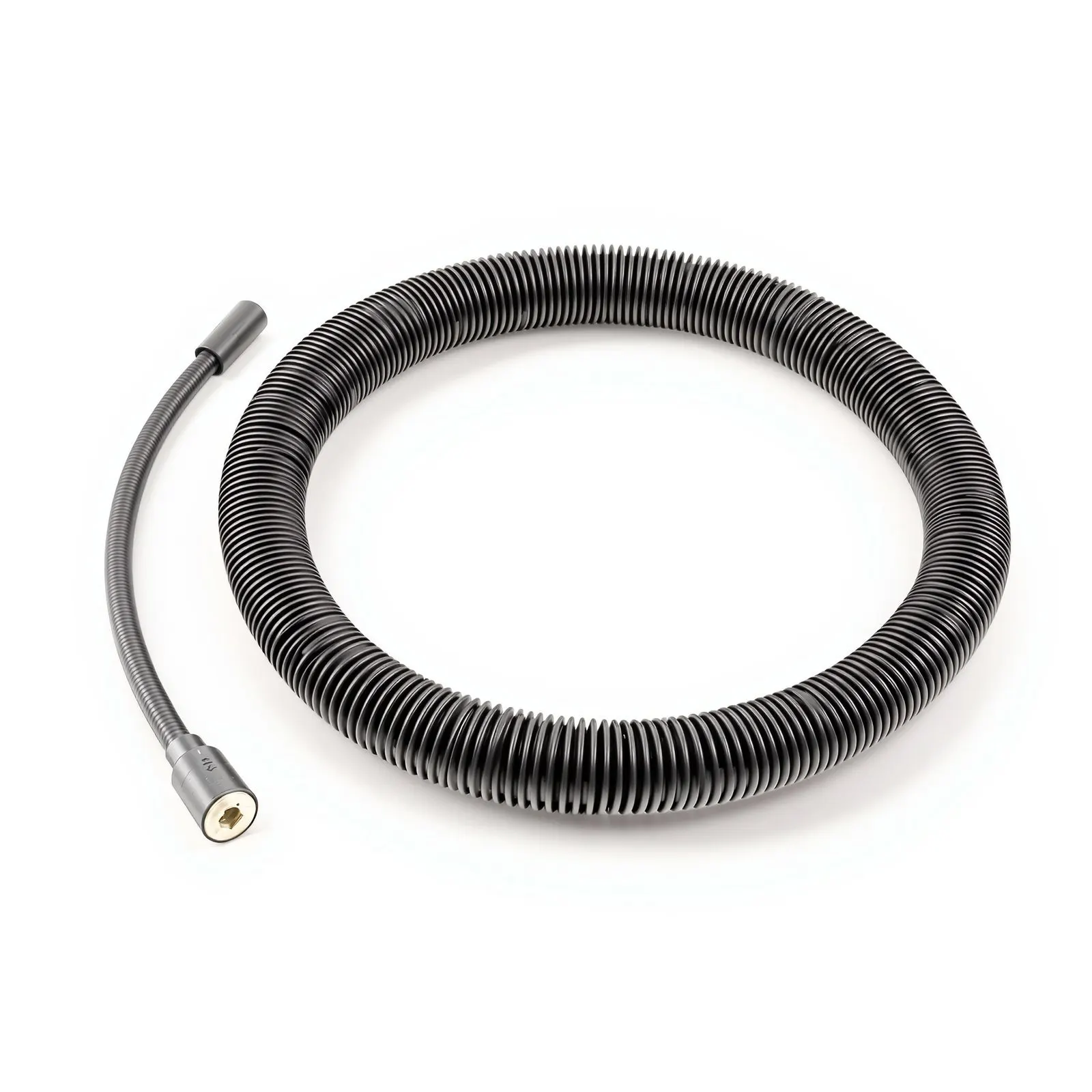
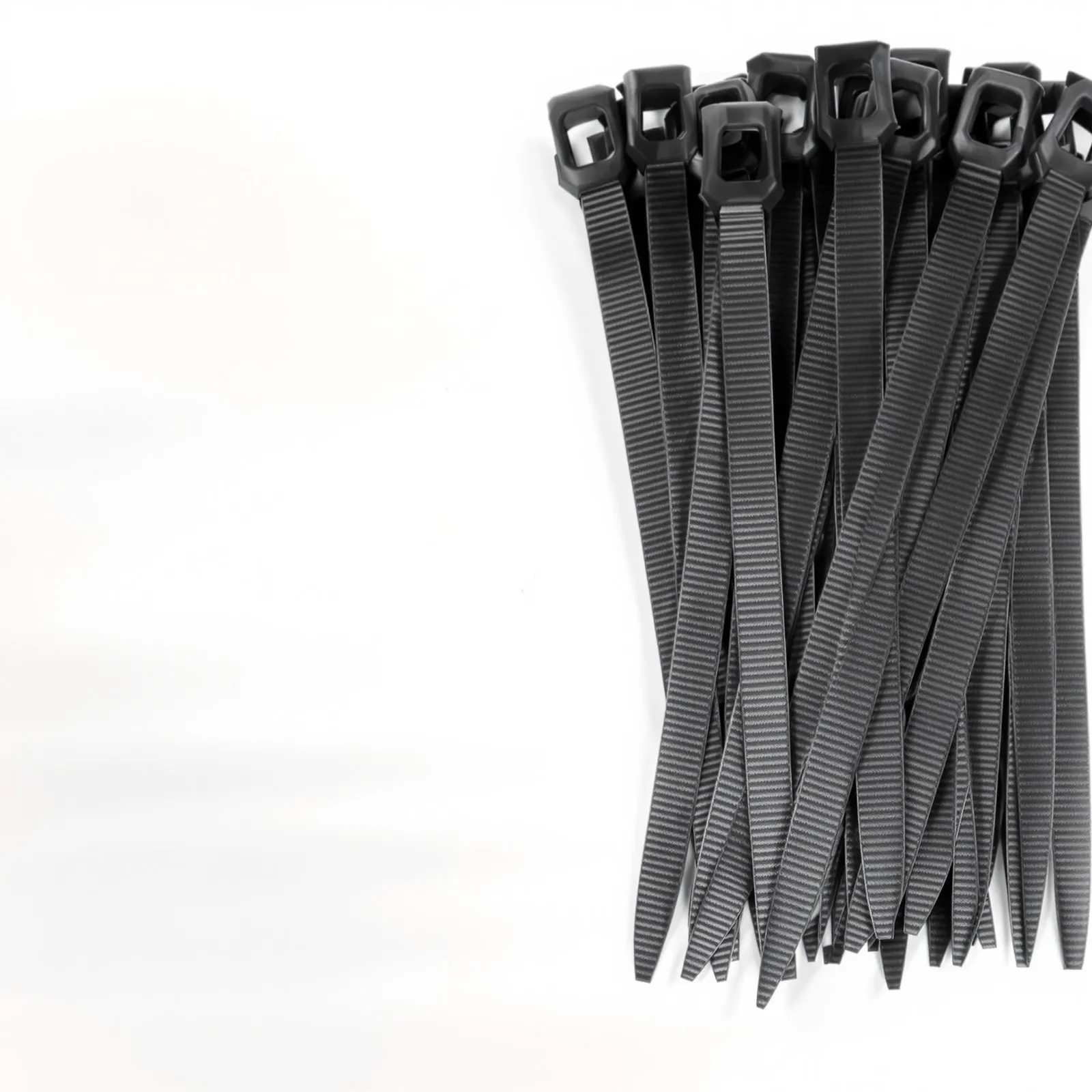
Where vibration is heavy the harness is planned so no slack is left between fixing points; spiral wrap or conduit is added wherever it leaves a duct. At connector exits the bend direction of the cable is set so nothing is forced during installation.
The check before delivery
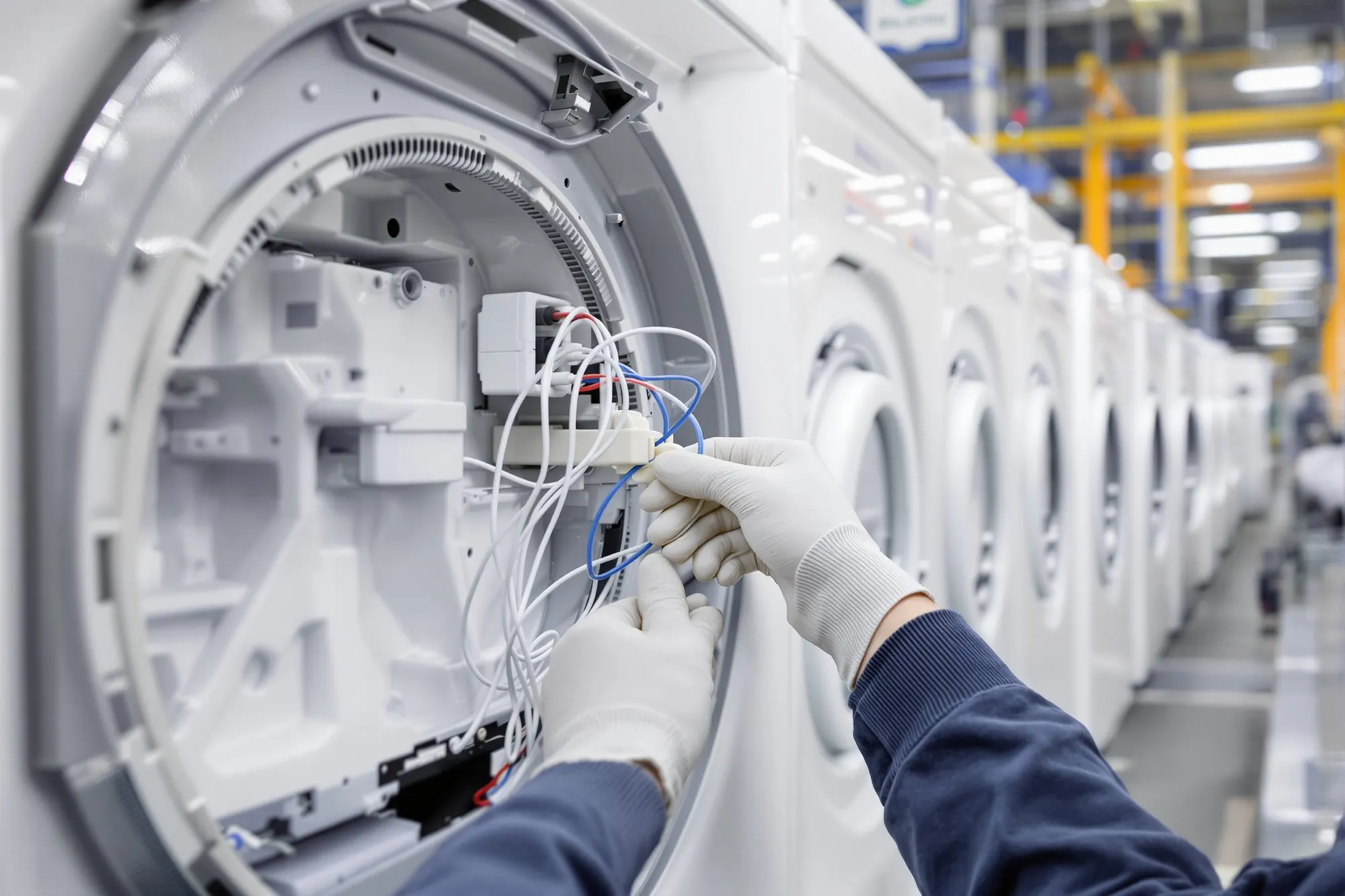
Harnesses go through continuity and short-circuit testing; crimp joints and connector seating are inspected. On repeat work the dimension and coding table is fixed, so every following batch comes out identical.
We build both one-off harnesses for a single vehicle and repeatable harnesses for series production. Send your drawing or the existing harness and we will quote with cable, connector and protection options.