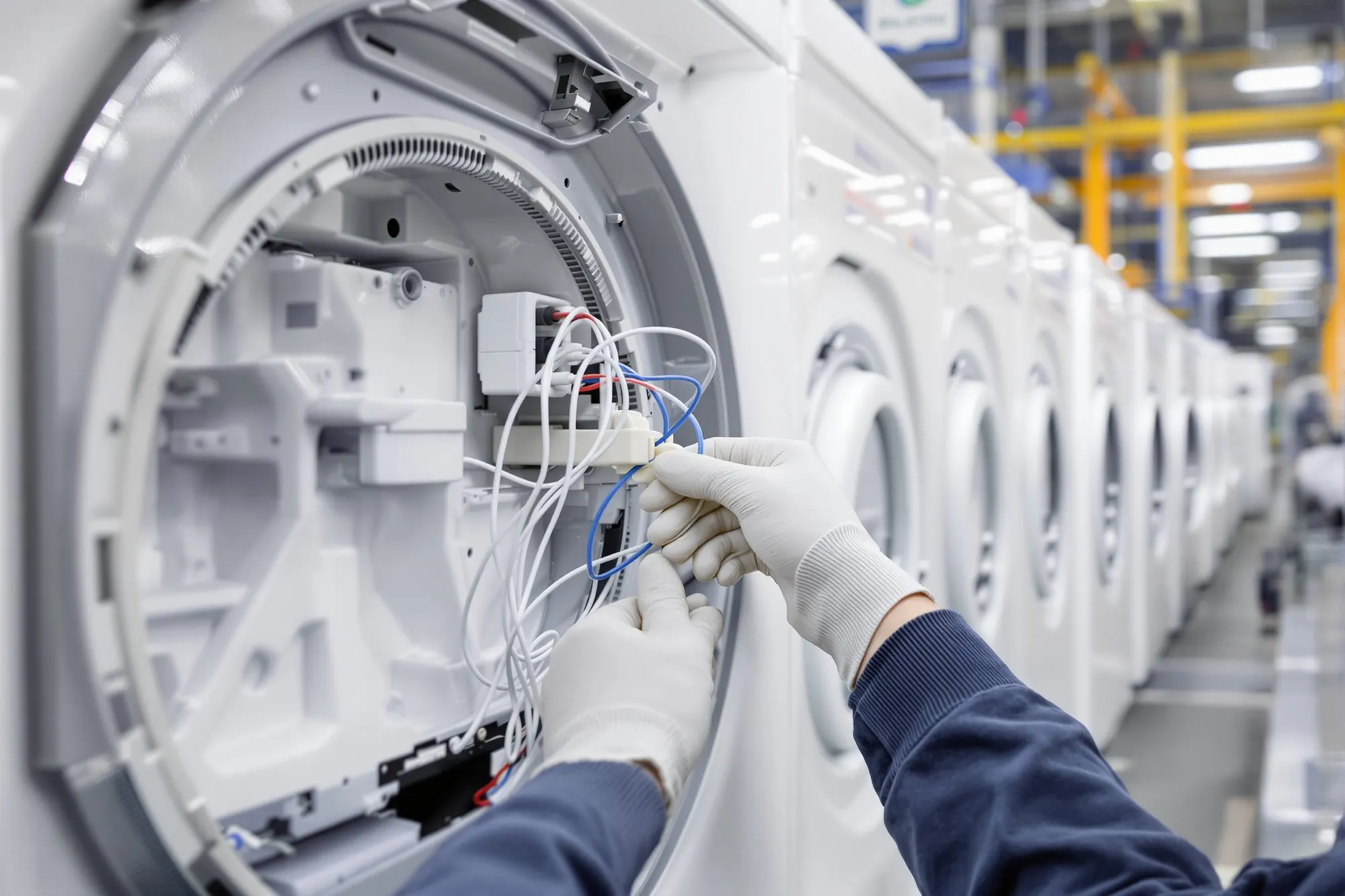
Home appliances bring a different set of problems: runs are short but volumes are high, assembly time is measured in seconds and the harness is never serviced over the life of the product. Repeatability and getting it right first time therefore matter as much as the cable itself.
What the production line expects
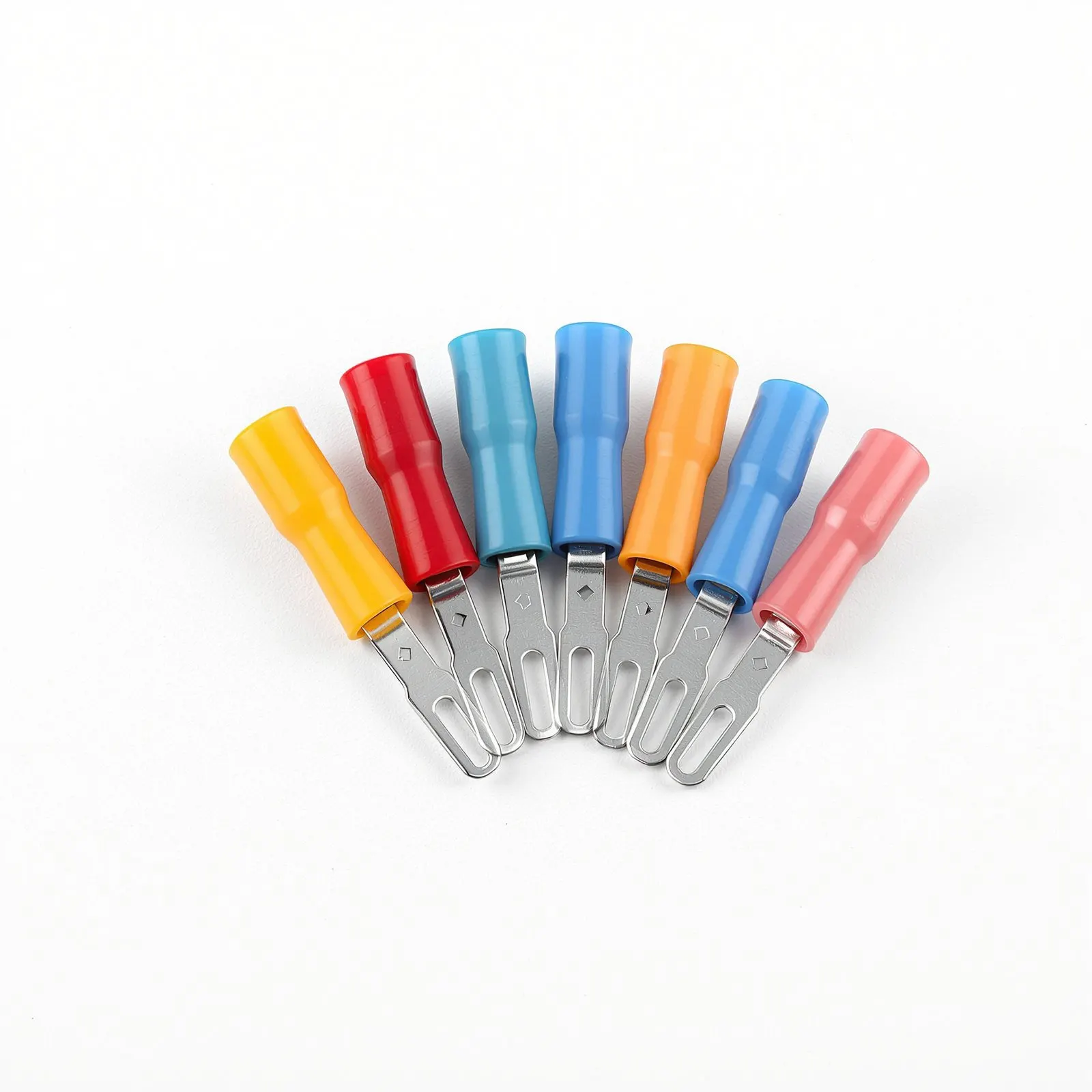
The fitter must seat the harness in one movement, without working out which socket goes where. That comes from fixed lengths, correct colour coding, connectors with a defined orientation and dimensions that do not drift from batch to batch. The room the cable needs to bend inside a tight housing has to be planned from the start.
- Identical dimensions and coding at high volume
- Limited bending room inside tight housings
- Heat around motors, heating elements and pumps
- Insulation and sealing in wet zones
- Short fitting time: orientation and sockets must be unambiguous
How we build the harness
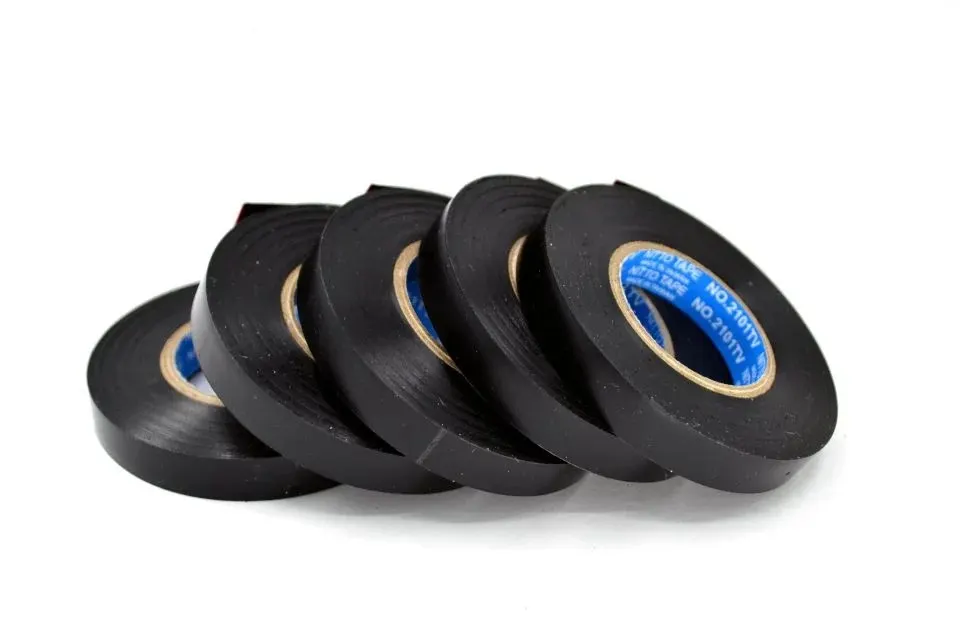
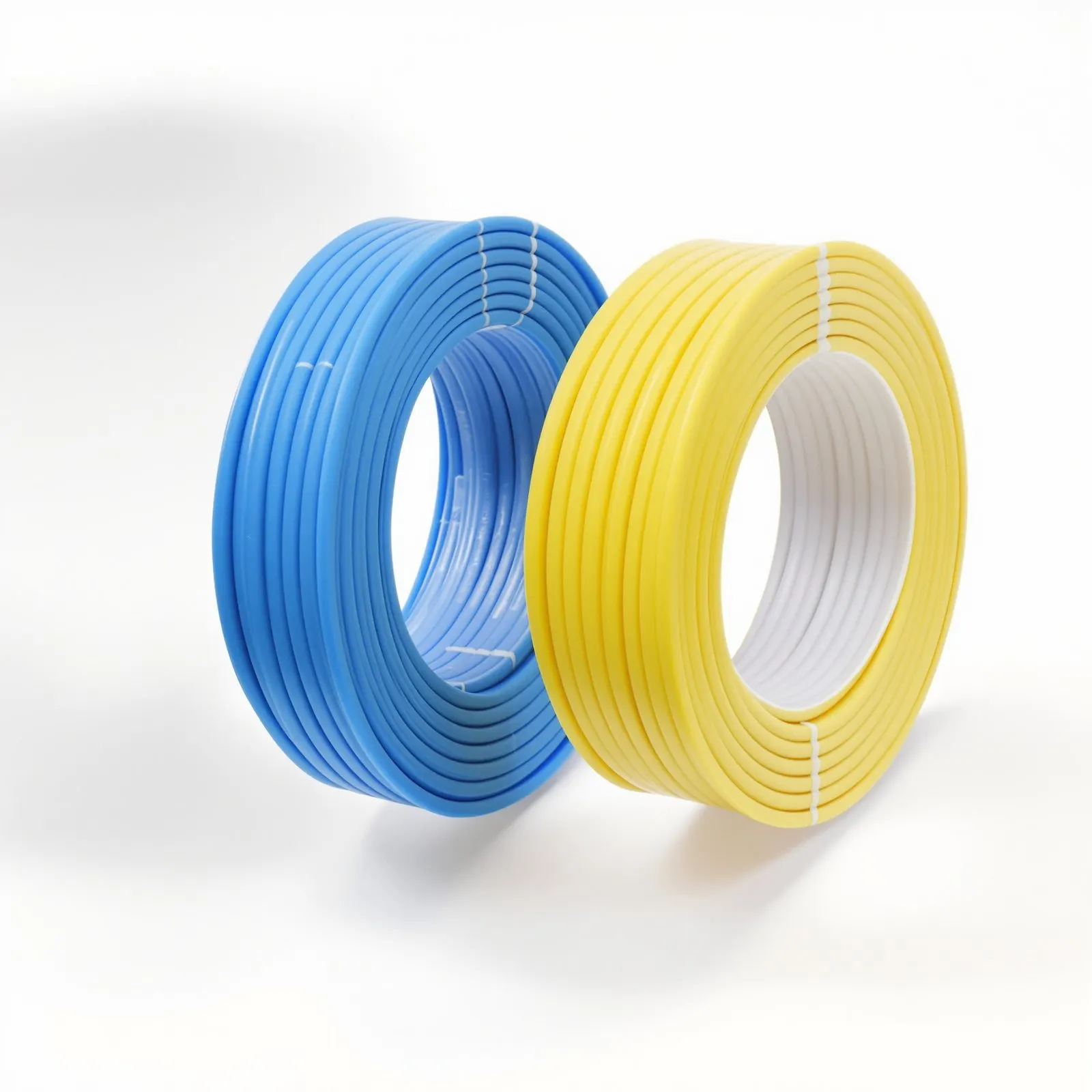
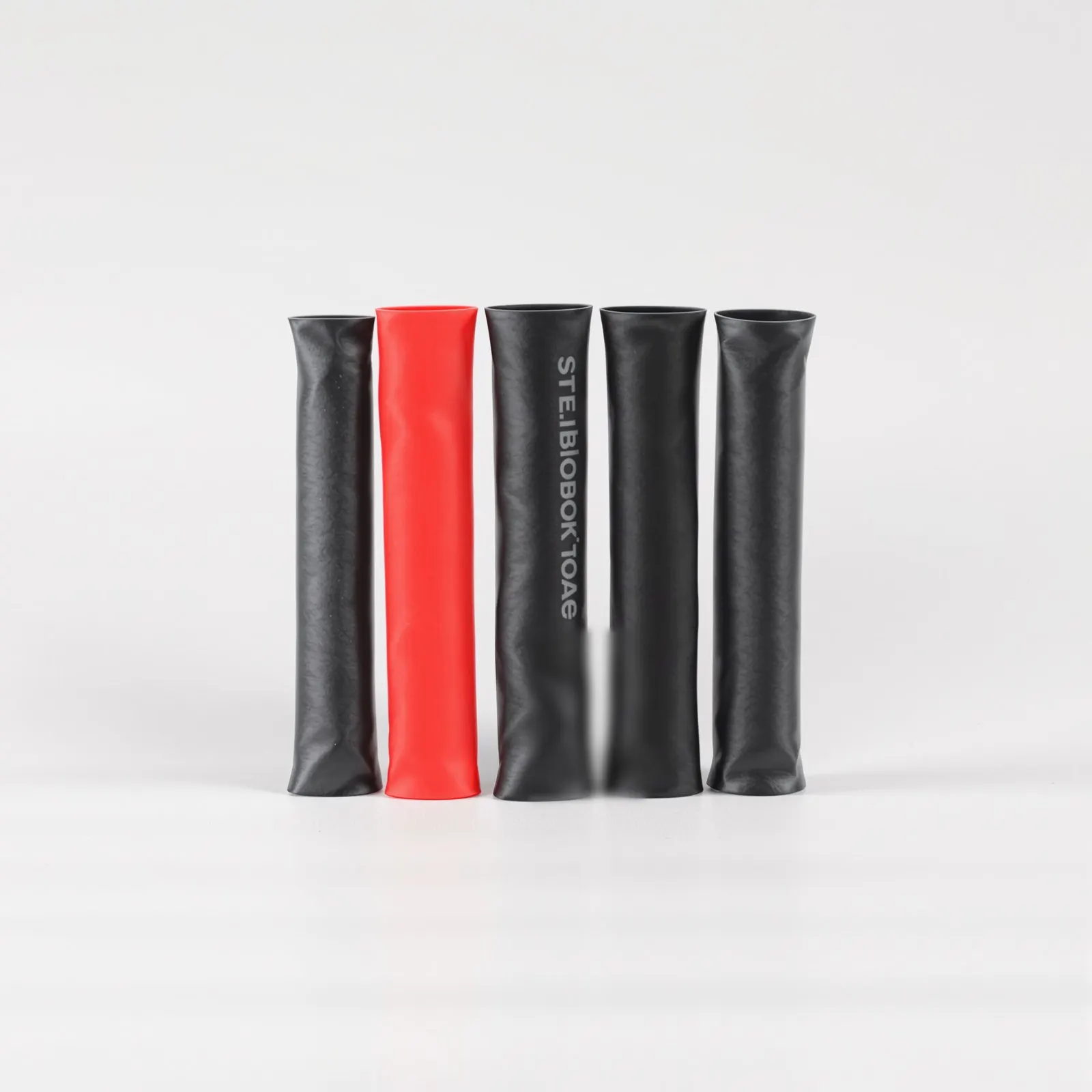
The dimension and coding table is taken from a sample or a drawing, and fixed once the first batch is approved. In hot zones we use cable of the right temperature class and heat-resistant wrapping; in wet zones connection points are protected with conduit.
Grouping follows the route inside the housing: the harness must not chafe as it enters a channel and must not be pinched when the cover closes. Part-number labels can be added to the harness so nothing is mixed up in the store or on the line.
The check before delivery
Continuity and short-circuit testing is applied in series production too, and crimps and connector seating are checked by eye. That keeps sorting at the line to a minimum.
We prepare standard harness sets for a product family or a dedicated harness for a single model. Share the part number, dimensions and socket details and we will come back with material and price options.