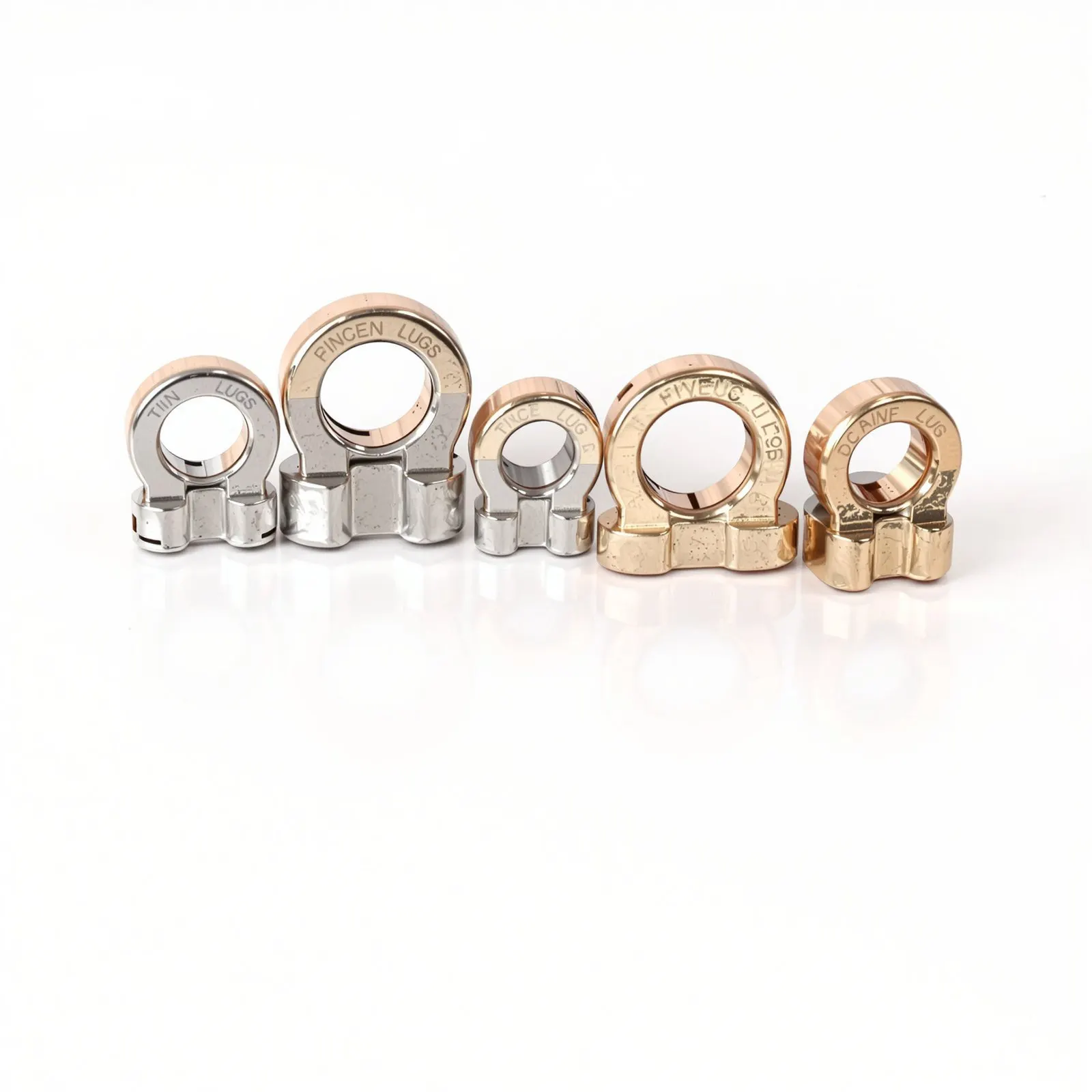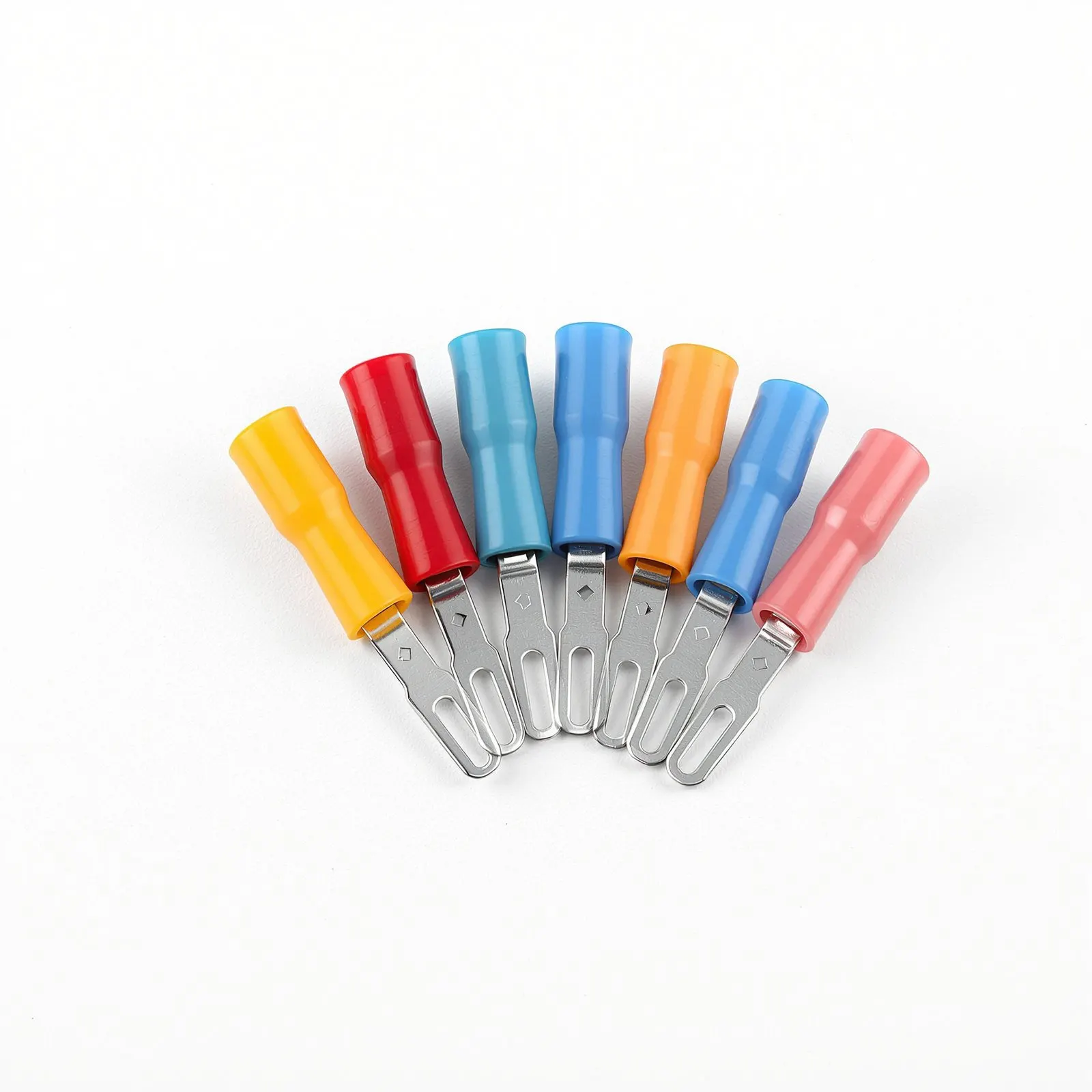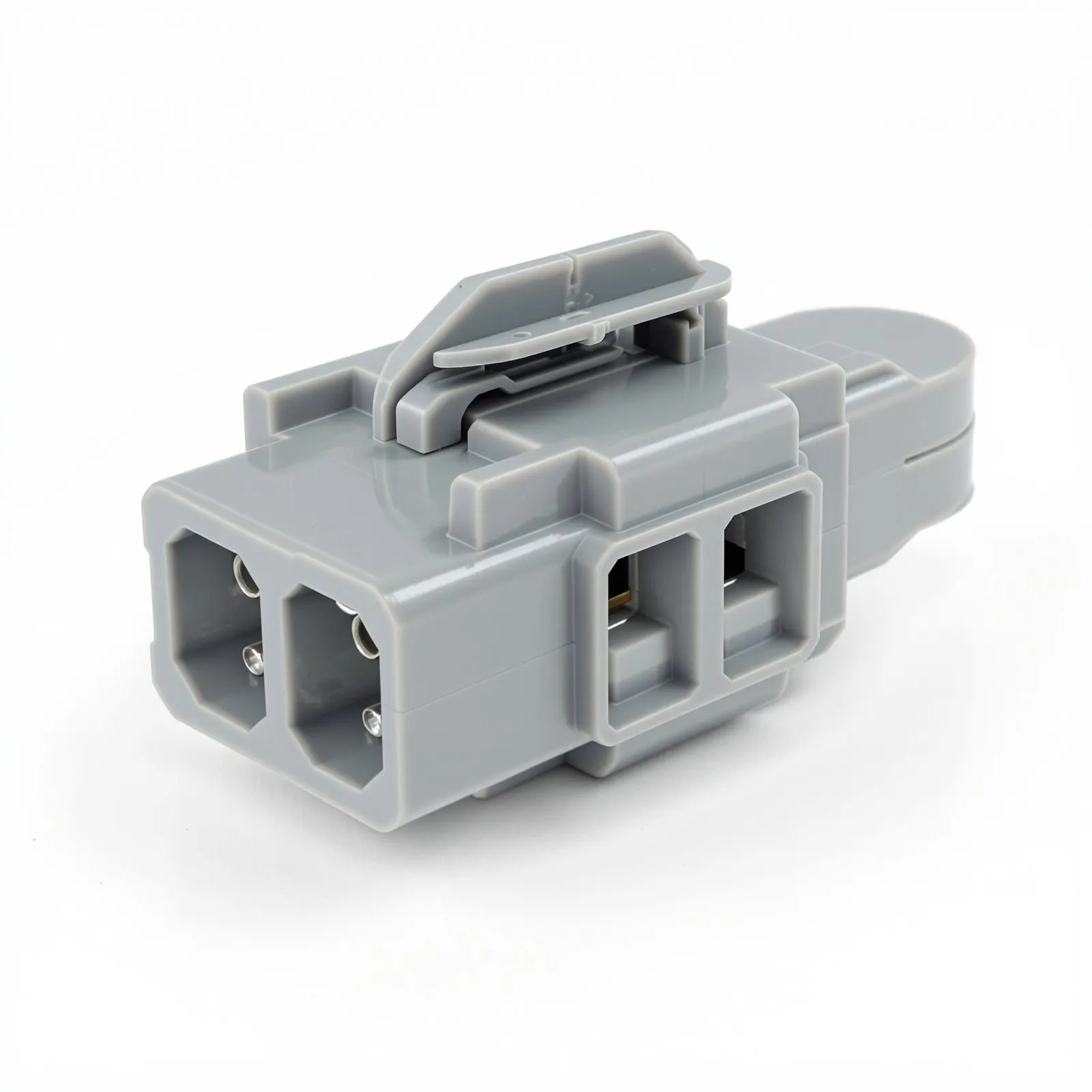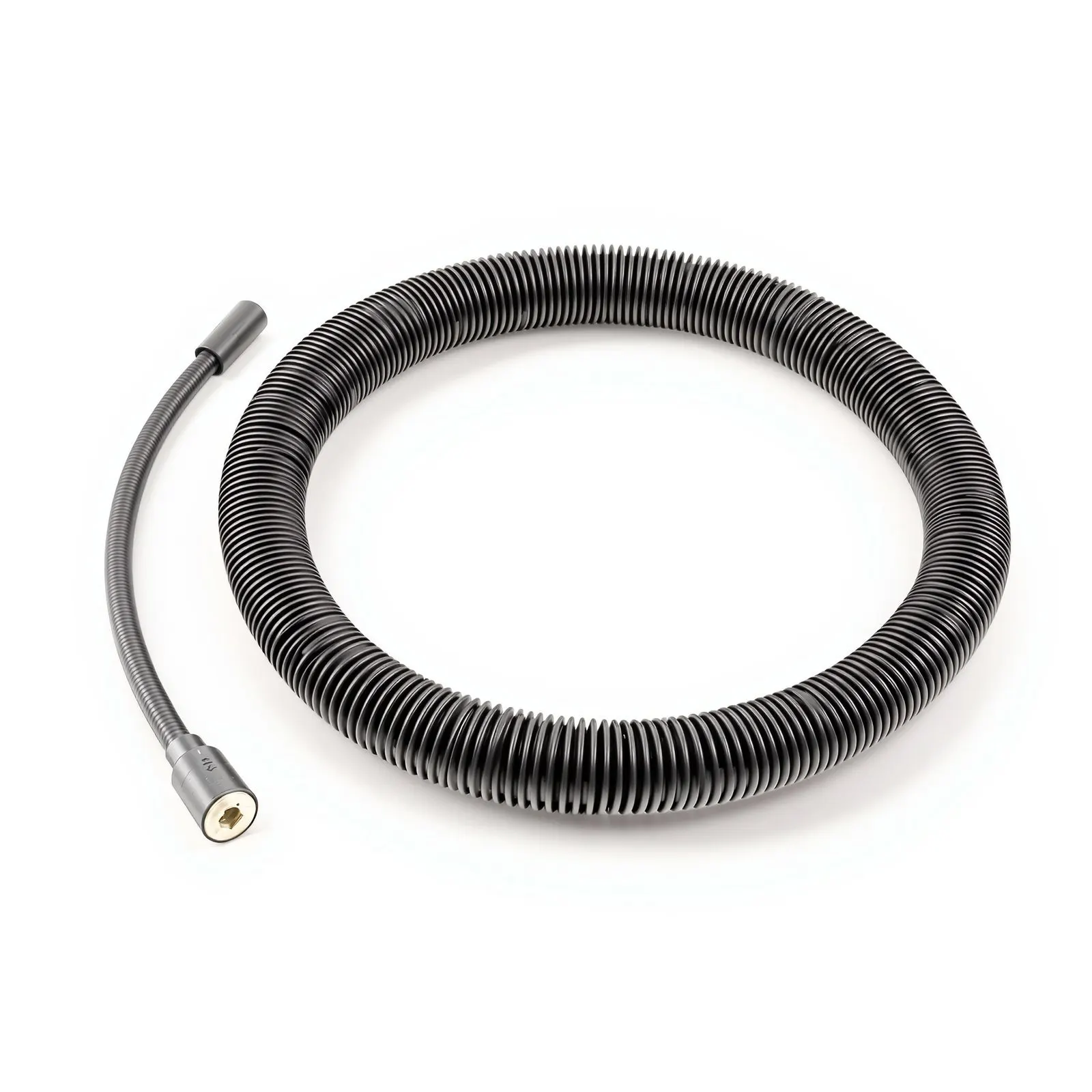
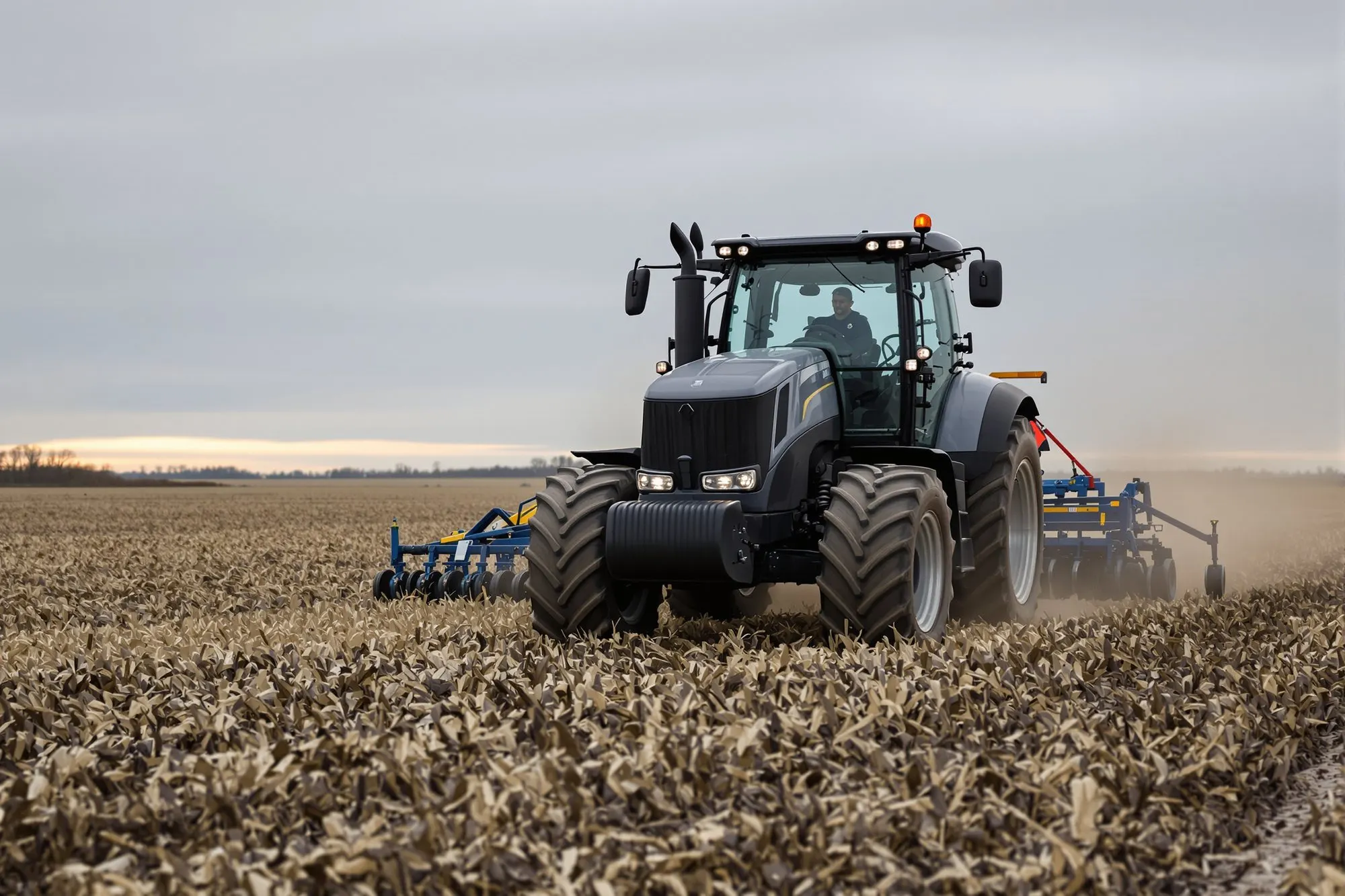
Harnesses on construction machinery and tractors work in the hardest conditions there are. Dust, mud, fertiliser and agricultural chemicals, hydraulic oil contact, permanent vibration and a wide temperature range all act at once. These machines also work in the field, where service is limited, so a fault means lost work straight away.
What stresses the harness in the field
Runs outside the cab face washing, mud and direct sun. Harnesses that feed moving parts such as booms, buckets and lift arms are bent continuously; cable choice and protection decide their life. Detachable sockets are also needed for different attachments.
- Dust, mud, fertiliser and chemical contact
- Repeated bending on moving arms
- Hydraulic oil and fuel contact
- High summer and low winter temperatures
- Detachable connections for attachment changes
How we build the harness
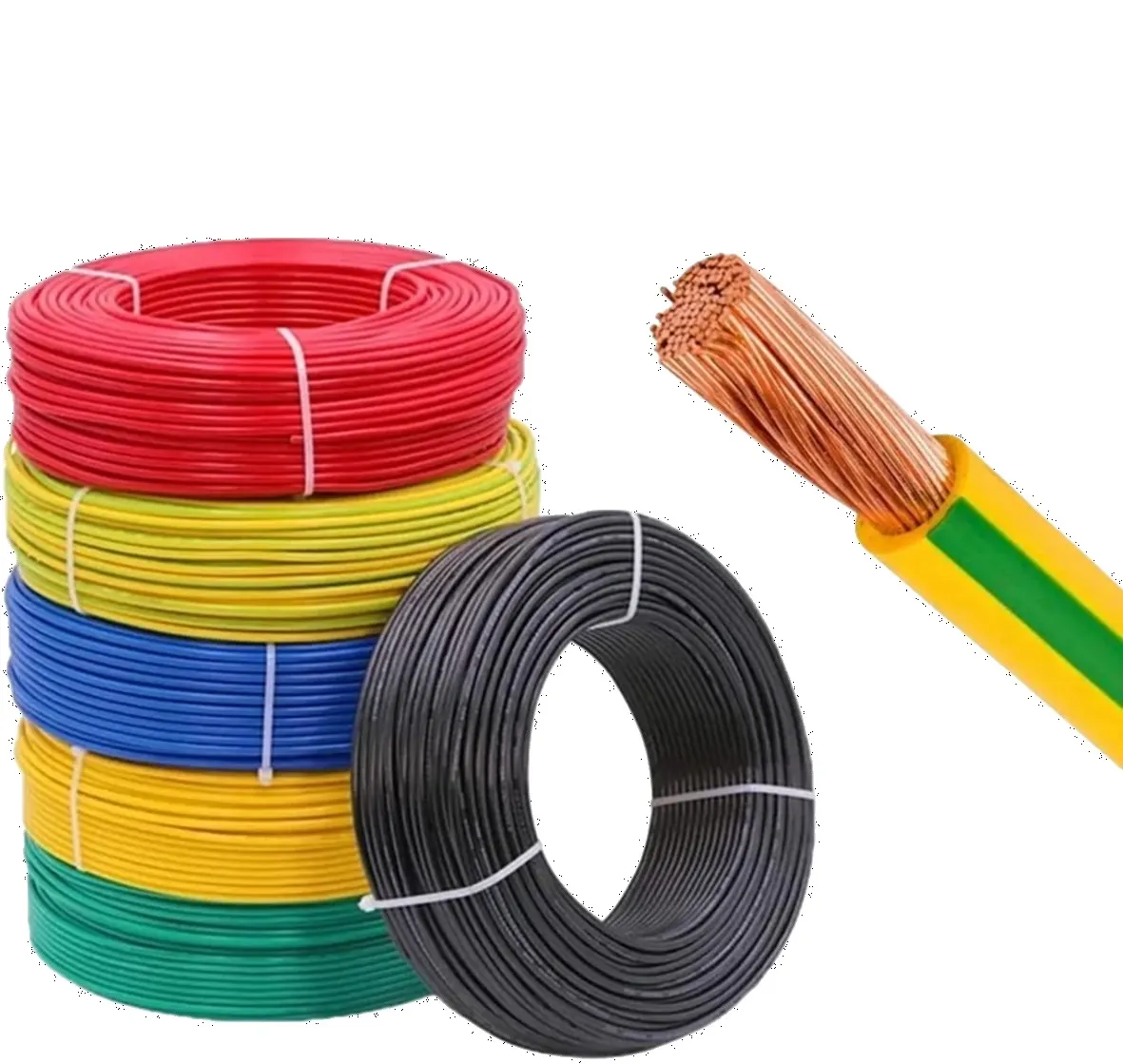
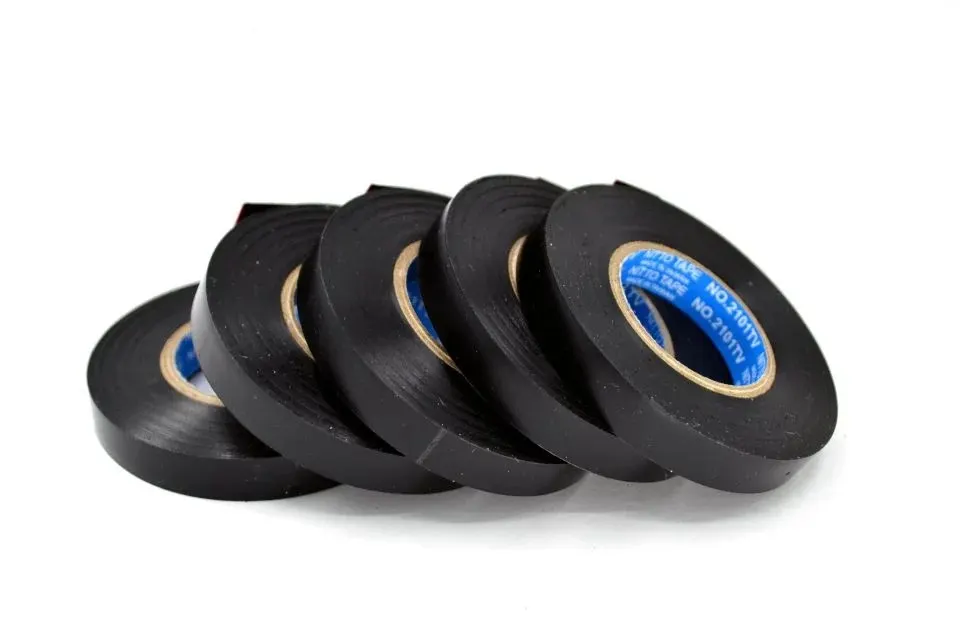
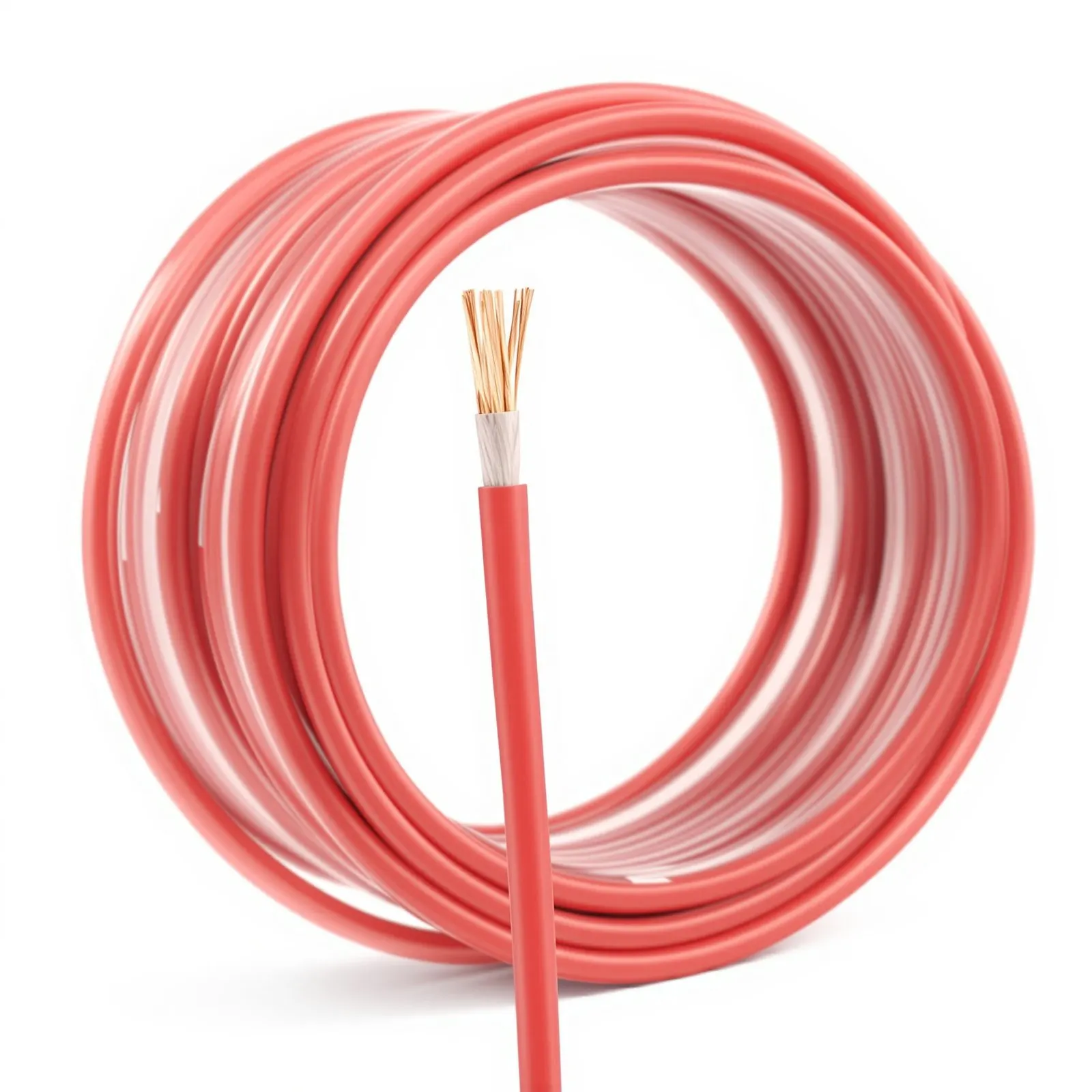
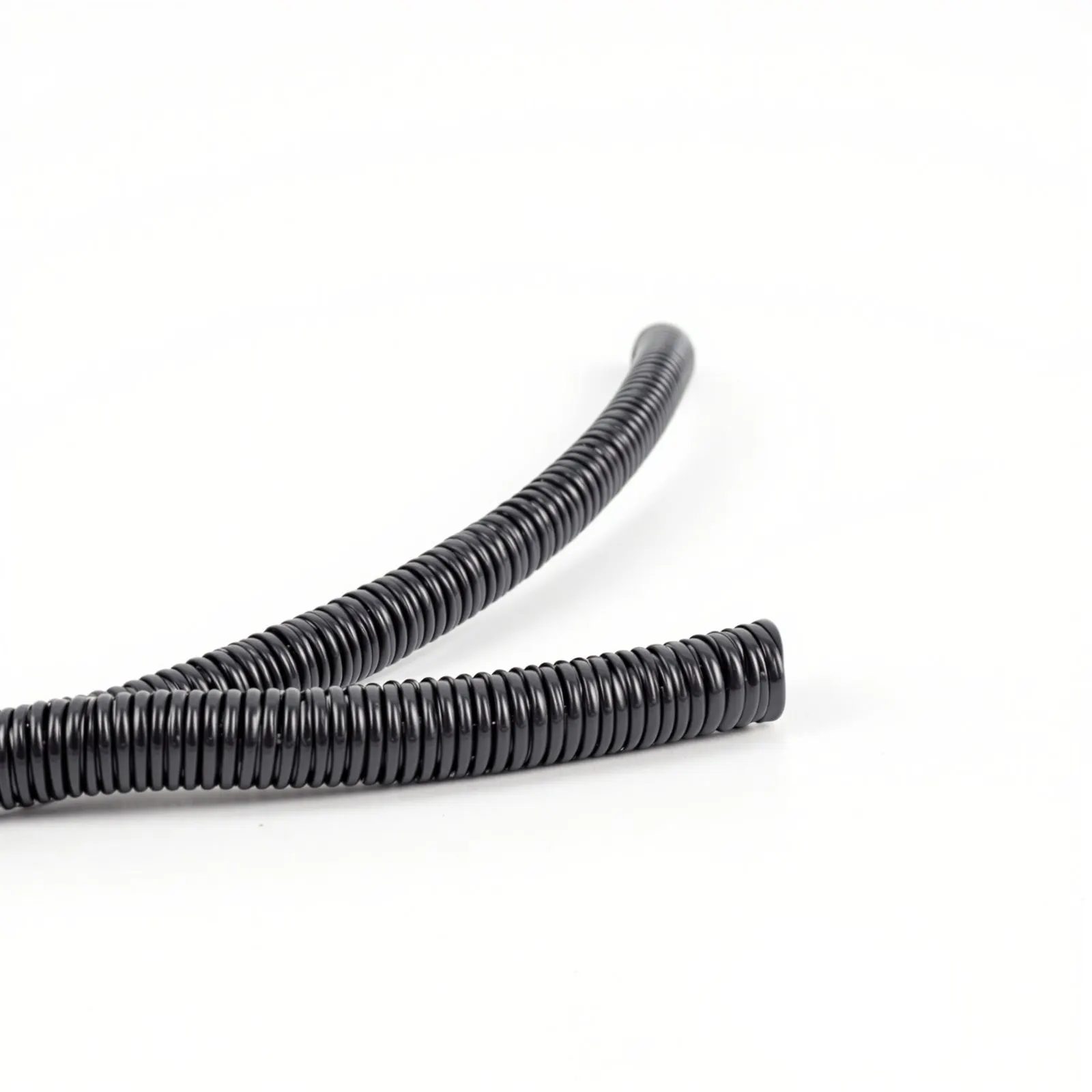
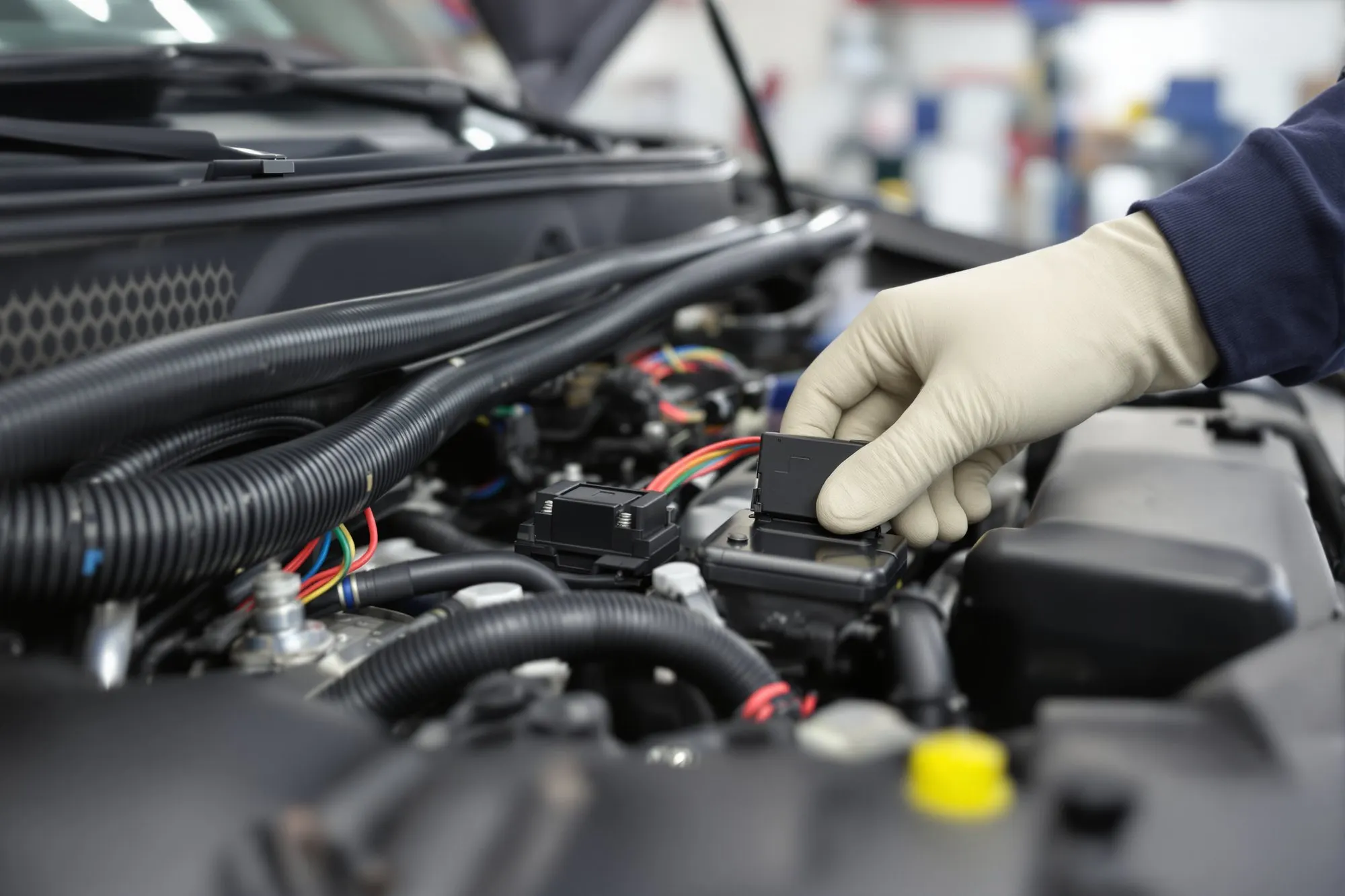
On external runs we use thicker-walled cable with layered protection from spiral wrap and conduit. In moving zones the harness is left free with the bend radius taken into account, and fixing points are placed where they do not spoil that radius. For detachable connections a suitable connector family is chosen and the orientation is marked.
On long runs the cross-section is increased for voltage drop, and load is calculated separately for work lights and powered attachments. Intermediate labels on the harness make it quick to trace in the field.
The check before delivery
Continuity and short-circuit testing, crimp inspection and connector seating checks are standard. On connections that are unplugged in the field we also verify that the locking latch works.
We build single harnesses as spare parts and series harnesses for production. Write with the machine model, run length and socket details; we will agree the protection level with you and quote.